In brief
- Mobile coverage where you walk matters more than anything else.
- The stated battery life is a maximum: it drops with frequent tracking, weak network and cold.
- The right weight benchmark is the ratio to the animal’s size.
- Insist on a precise IP rating and compare the total cost over several years.
Every tracker promises to “find your dog”. The difference lies in concrete criteria that are rarely highlighted. Here is the checklist we would apply to any product — including our own.
- CoverageThe mobile network where you live and walk.
- Battery lifeThe real one, based on how you use it, not the maximum on the spec sheet.
- WeightRelative to your animal’s size.
- WaterproofingA precise IP rating, not “splash-resistant”.
- Total costPurchase and connectivity, over two or three years.
1. Network coverage, above all
A 4G GPS is only as good as its connection. Two questions to ask:
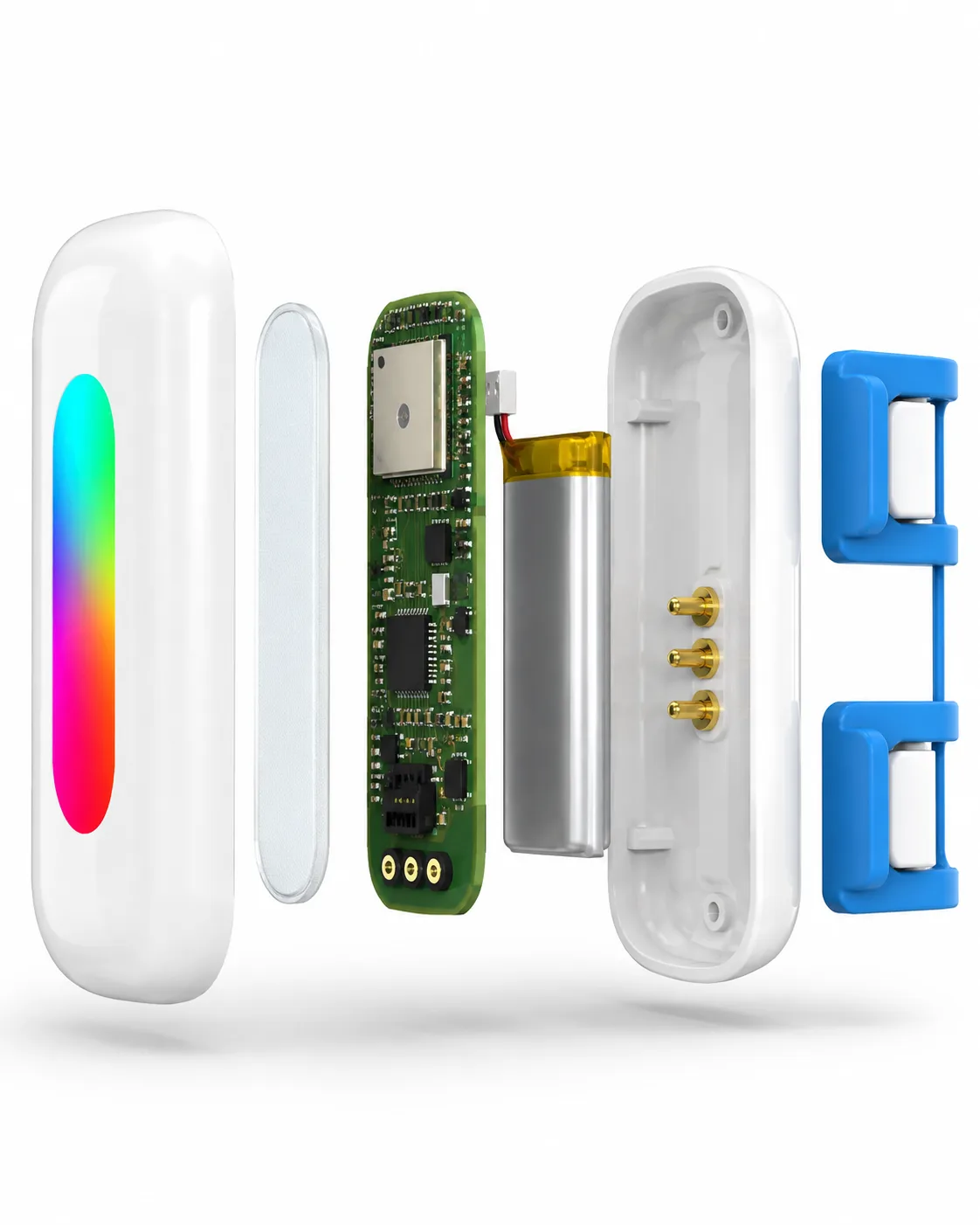
- Which networks and which location sources does it use? GPS, Wi-Fi, mobile masts: the more it combines, the better it locates itself away from open sky.
- Where do you live and where do you walk? Coverage in a town centre has nothing in common with that of a steep-sided valley. Check the operators’ coverage maps for the places you really walk.
2. Real battery life, not the spec-sheet figure
The stated battery life corresponds to optimal conditions. It falls with frequent updates, weak coverage (the modem works harder to connect to the network) and cold. Compare battery life at an equivalent update frequency, and plan your charging routine around your walks. Our dedicated guide to a GPS tracker’s battery life details what drains the battery.
3. Weight, relative to size
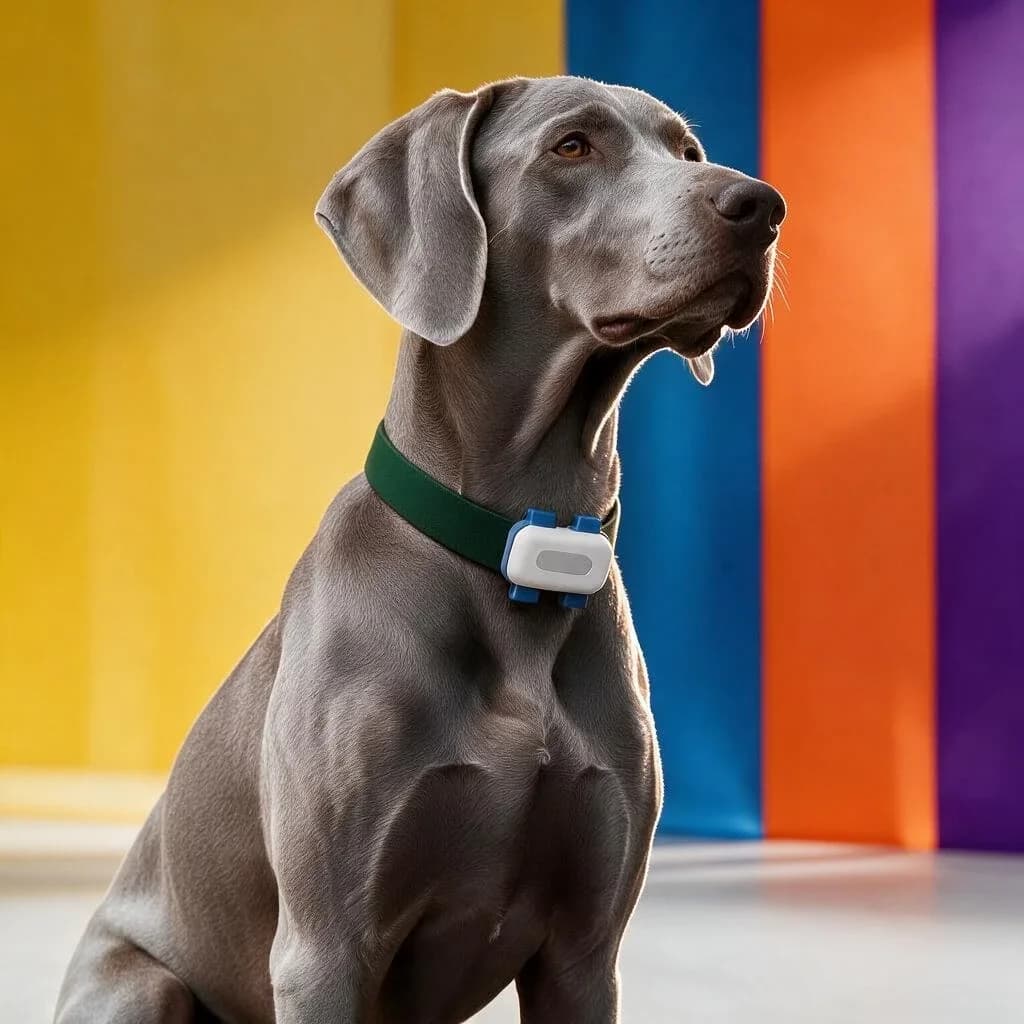
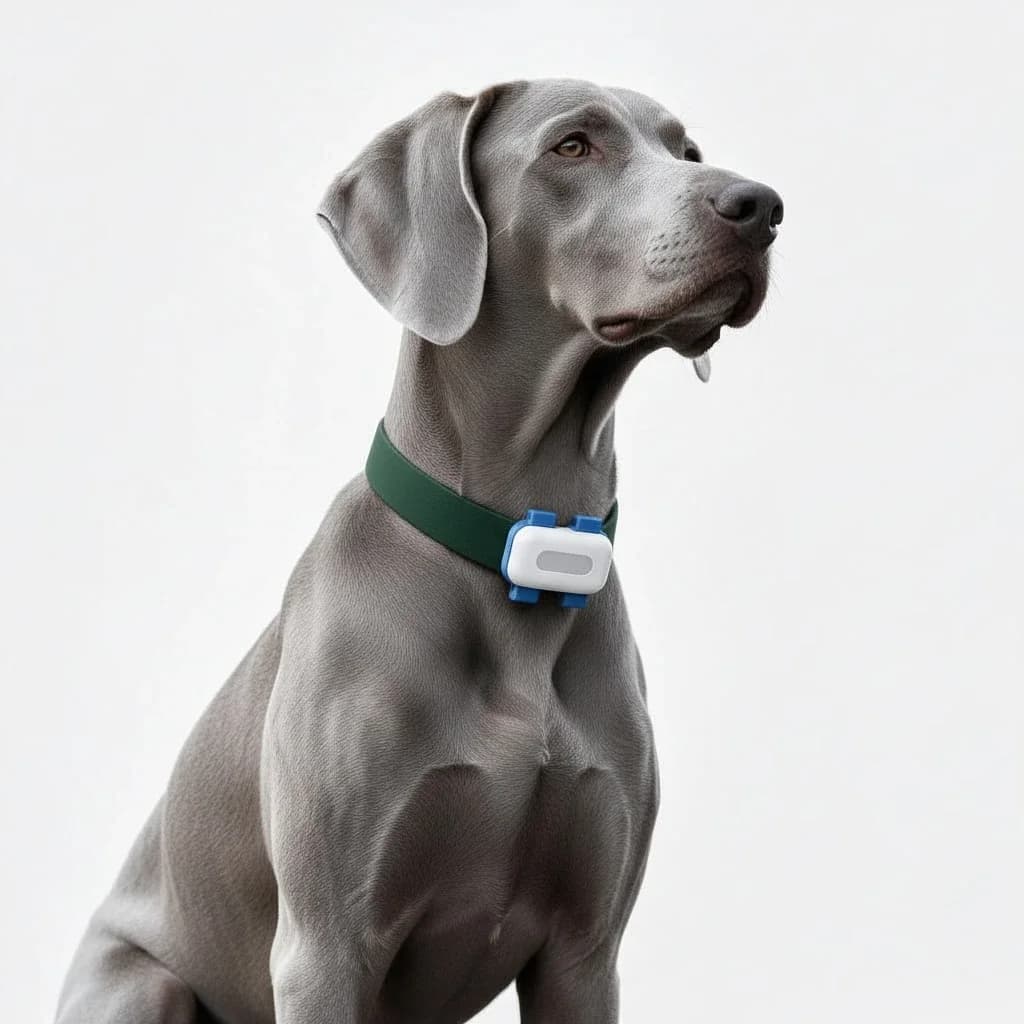
A device weighing a few dozen grams is trivial for a shepherd dog, noticeable for a small dog or a cat. The right benchmark is not the absolute weight but the ratio to the animal. Also check that it fits the width of its existing collar or harness.
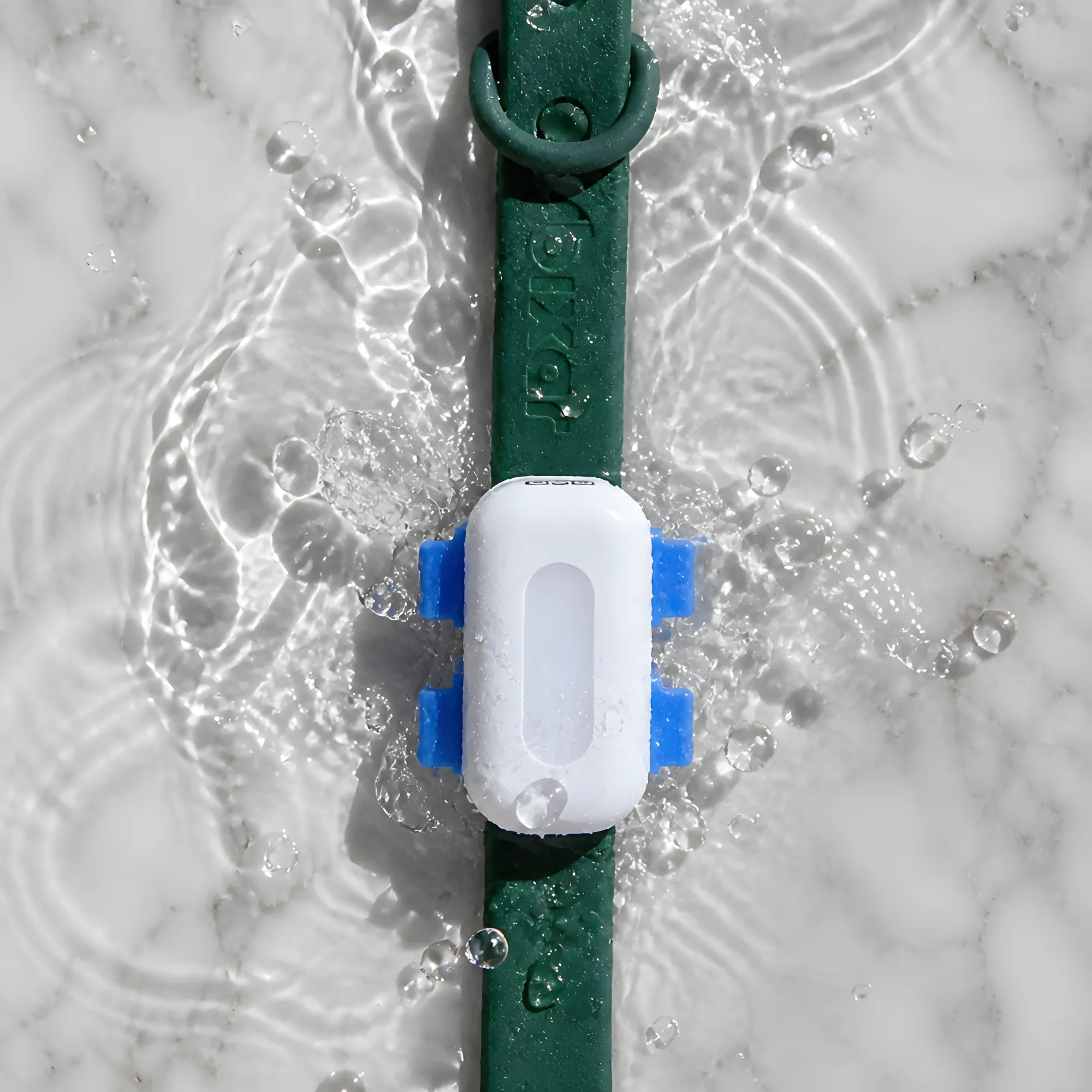
4. Waterproofing: reading the IP rating
A dog goes through a puddle, a river, the rain. The standardised IP rating encodes two kinds of resistance: to dust (first digit) and to water (second digit). “Splash-resistant” without a precise rating commits the maker to nothing.
- First digit, 6
- Dust: fully protected, on a scale of 0 to 6.
- Second digit, 7
- Water: protected against temporary immersion, up to 1 m for 30 minutes, on a scale of 0 to 9.
5. The full cost over several years
The purchase price doesn’t tell the whole story: 4G connectivity has a cost. Compare the total cost over 2 or 3 years — purchase and connectivity — rather than just the price of the device. See Dog GPS without a subscription. To see totals over 1 to 5 years for five models, with a simulator: GPS comparison of Phoenix, Weenect, Tractive, Invoxia and PAJ.
The checklist applied to the Bixar 4G GPS
| Criterion | What to check | Bixar Phoenix 4G GPS |
|---|---|---|
| Coverage | Network used, location sources | 4G LTE, GPS, Wi-Fi and LBS location |
| Battery life | Battery monitoring | Battery level shown in the app |
| Weight | Weight on the collar | 32 g |
| Waterproofing | Precise IP rating | IP67 |
| Cost | Connectivity included | 1 year (Graphite & Rouge) or with no annual renewal (Noir & Champagne) |
Check 4G coverage where you actually walk on the operators’ maps.
Your checklist
My decision checklist
0/5
If a product ticks these five boxes for your situation, it will do the job.
For an overview based on your situation (town, countryside, a dog that escapes), also read best GPS for dogs: how to choose one. And for a cat: Cat GPS, the criteria to check.