
In brief
- A Bluetooth tracker only works within a few dozen metres of your phone.
- An AirTag depends on iPhones passing nearby: good in town, hit-and-miss elsewhere.
- A 4G GPS sends its position itself, wherever there is a mobile network.
- Only a 4G GPS offers live tracking and zone alerts designed for an animal.
An AirTag, a Bluetooth key ring and a 4G GPS collar don’t do the same job. All three “locate”, but not in the same way, not at the same distance and not in the same situations.
| Criterion | Bluetooth | AirTag | 4G GPS |
|---|---|---|---|
| Range | A few dozen metres | Depends on iPhones nearby | Wherever there is a mobile network |
| Knows its own position | No | No | Yes |
| Real-time tracking | No | Partial | Yes |
| Zone alerts for an animal | No | No | Yes |
| Works in the forest or countryside | No | Partial | If there is a mobile network |
| Connectivity cost | None | None | SIM card and network |
Yes YesPartial PartialNo NoPartial: depends on Apple devices passing nearby.
The Bluetooth tracker: a range of a few metres
A standard Bluetooth tracker communicates directly with your phone. Its real range depends on obstacles and the surroundings: in practice, a few dozen metres at best. Beyond that, the object is simply “out of range”: the tracker doesn’t know its own position and can’t send it to you.
- Ideal for: finding keys in the flat, a bag left nearby.
- Major limit: as soon as the animal moves away, there is no link at all — and so no position.
The AirTag: Bluetooth extended by a crowd-sourced network
Apple’s AirTag also relies on Bluetooth, but with a powerful idea: every iPhone nearby can anonymously relay the tag’s position via the Find My network. In a dense town, this often works well: a passer-by with an iPhone crosses paths with your dog, and the position updates.
The limits come from the very principle:
- updates depend on Apple devices passing nearby — in the forest, in rural areas or at night, they can be rare or non-existent;
- the position is not real-time tracking: it is a series of opportunistic readings;
- Apple designs the AirTag for objects; it offers neither activity tracking nor zone alerts designed for an animal.
The 4G GPS: an independent position, transmitted continuously
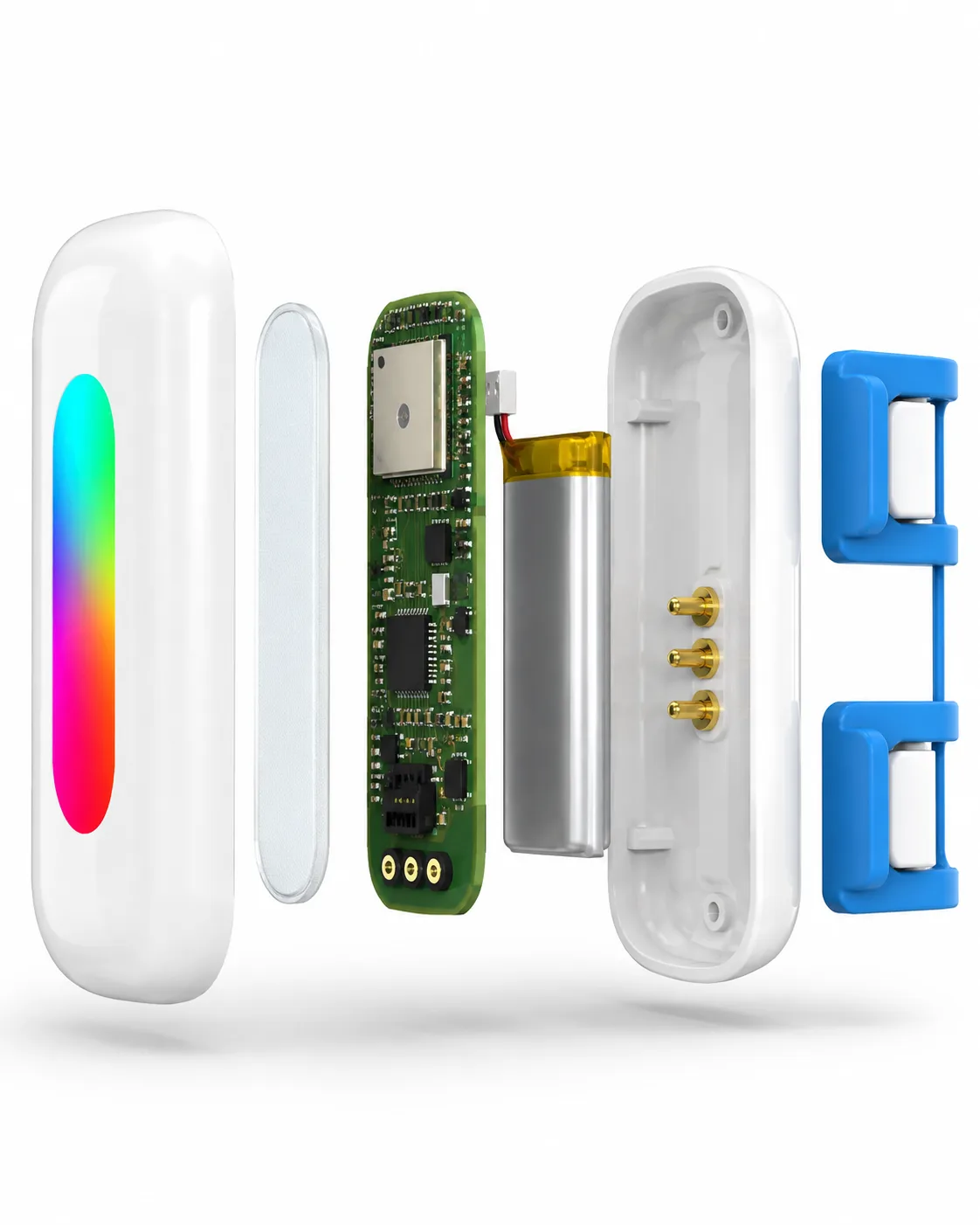
A 4G GPS collar contains two components: a satellite receiver (GPS, Galileo…) that works out the position, and a cellular modem that transmits it over the mobile network — like a phone. The result:
- the position doesn’t depend on any passer-by: as long as there is mobile coverage, it comes through;
- tracking is continuous and in real time, which allows zone alerts (“my dog has left the garden”);
- the trade-off is structural: it needs a SIM card and a network connection, so a connectivity cost, and a battery to recharge.
Dog

Cat
Which choice, depending on the situation?
| Criterion | Bluetooth | AirTag | 4G GPS |
|---|---|---|---|
| The dog gets out of the garden | No | Partial | Yes |
| A walk in the forest | No | Partial | Yes |
| In town, in a busy area | No | Yes | Yes |
| The cat goes out at night | No | Partial | Yes |
| Finding your keys in the flat | Yes | Yes | — |
Yes YesPartial PartialNo No
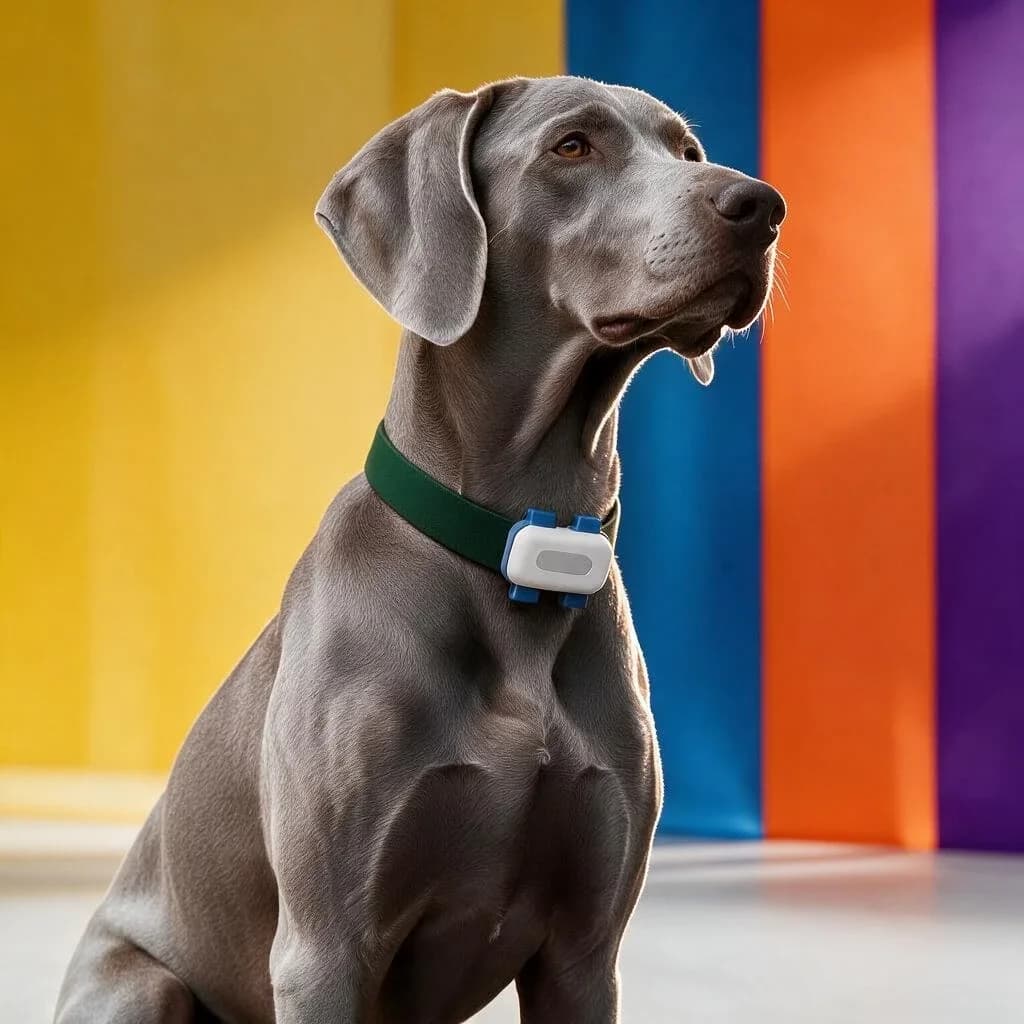
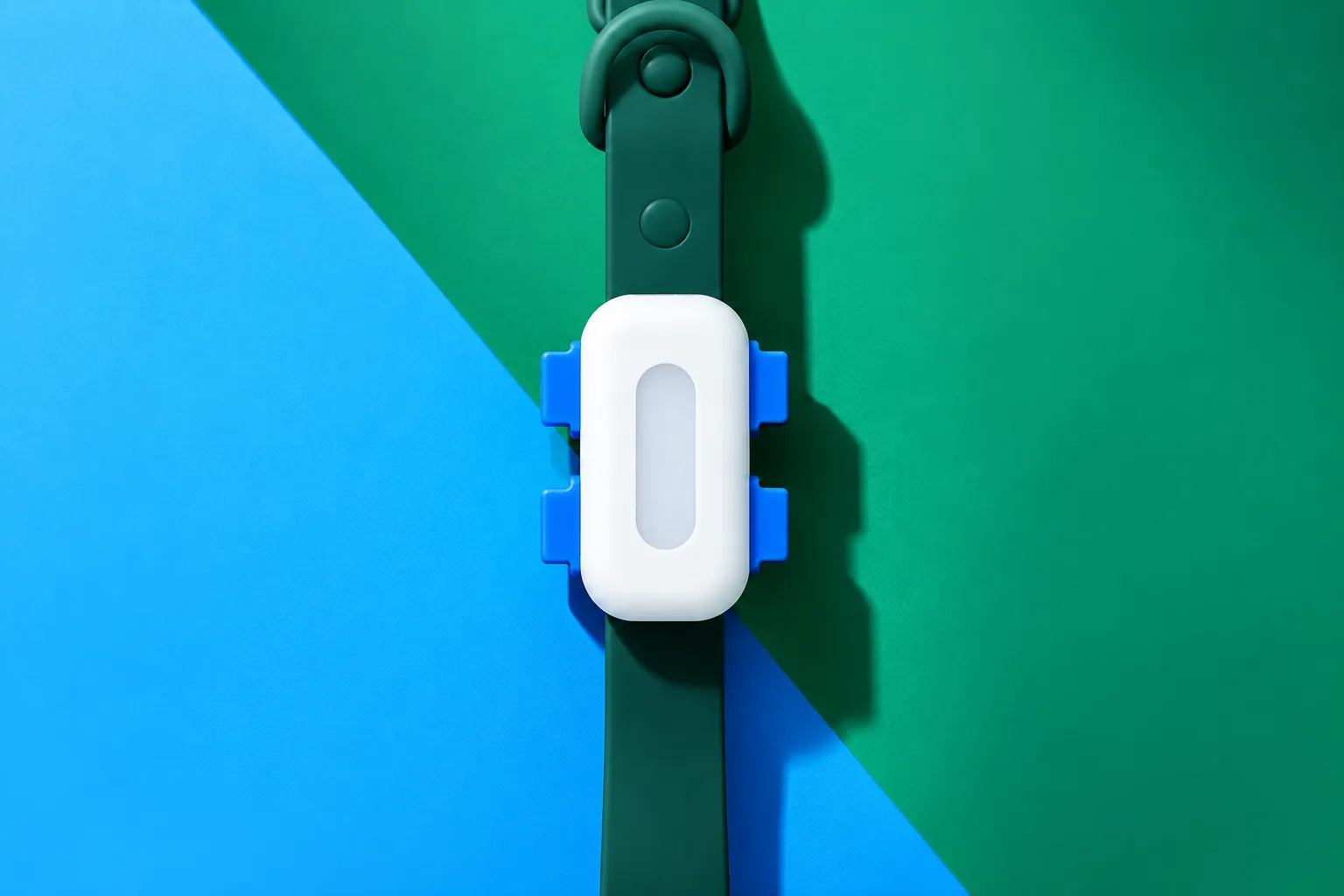
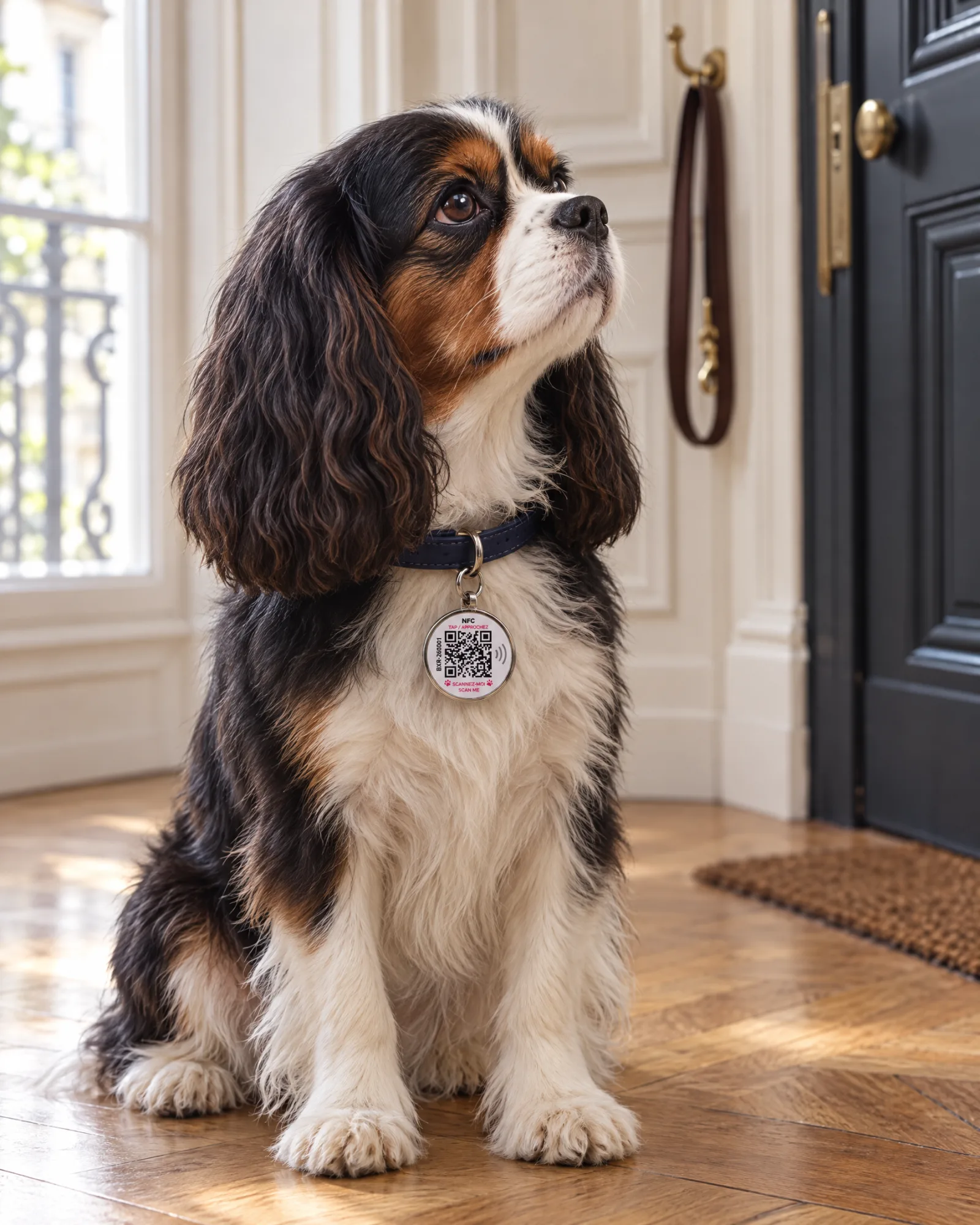
The Bixar Phoenix 4G GPS belongs to the third category: independent satellite location, 4G transmission and real-time tracking in the app. And so that the person who finds your animal can reach you, without an app, there is the Bixar medallion.
The same differences apply to a cat, with one more point to watch, the weight of the device: see Cat GPS: how to choose a GPS collar.
If you opt for a 4G GPS, here is their cost over 1, 3 and 5 years: comparing 4G GPS trackers.