In brief
- The weight of the device matters more for a cat than for a dog: look at it relative to the animal.
- A cat travels short distances but hides: accurate positions and remote ringing help.
- A Bluetooth tracker doesn’t locate a cat that is far away: only 4G tracks it out of range of your phone.
- The collar must come off easily if it gets caught: check the type of fastening.
“GPS for cats” isn’t quite the same question as “GPS for dogs”. A cat moves around a smaller territory, but it climbs, squeezes through gaps and stays hidden. To find it, you need a tracker suited to its size and the way it moves.
- WeightA light device, relative to the cat’s size.
- WaterproofingA precise IP rating for rain and puddles.
- 4G coverageThe network where your cat roams.
- Finding it on the spotRemote ringing or light to locate it once you are close.
- Collar safetyA fastening suited to cats.
A light tracker, securely attached
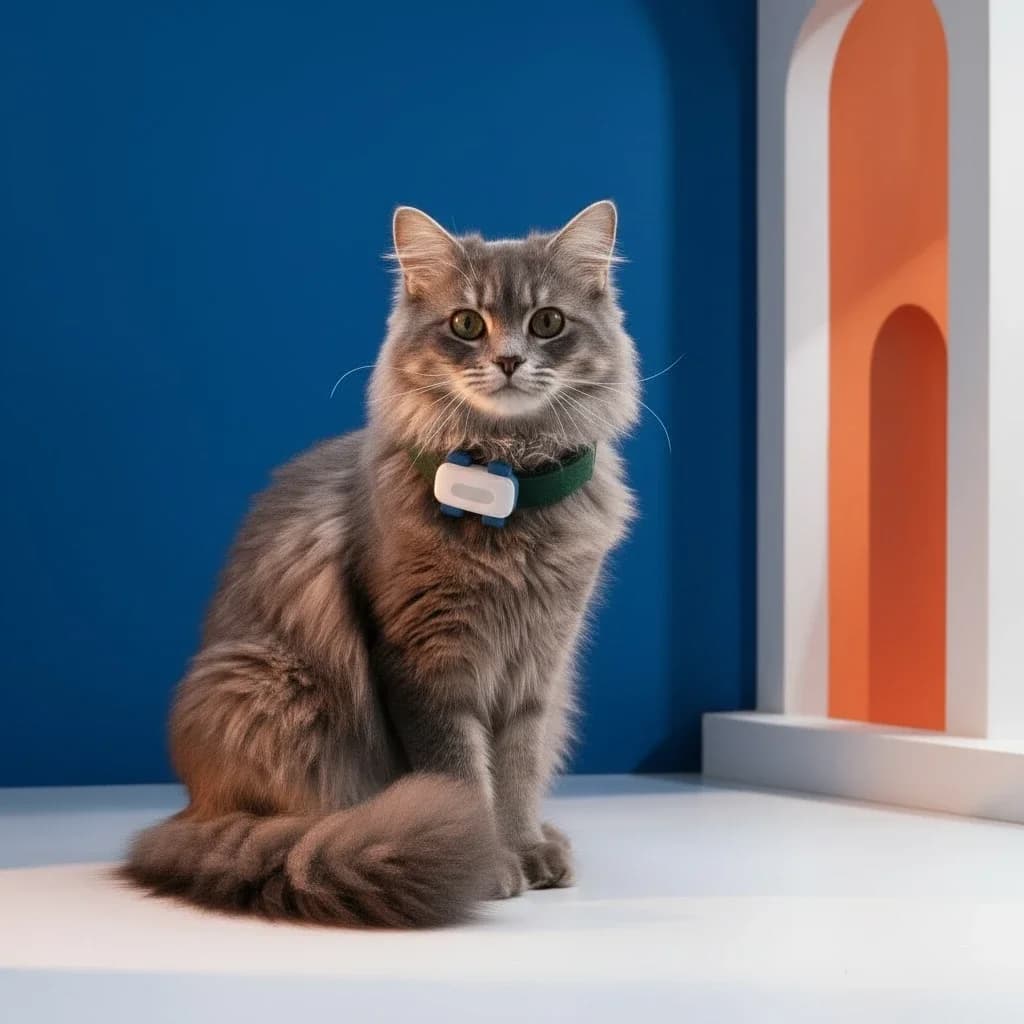
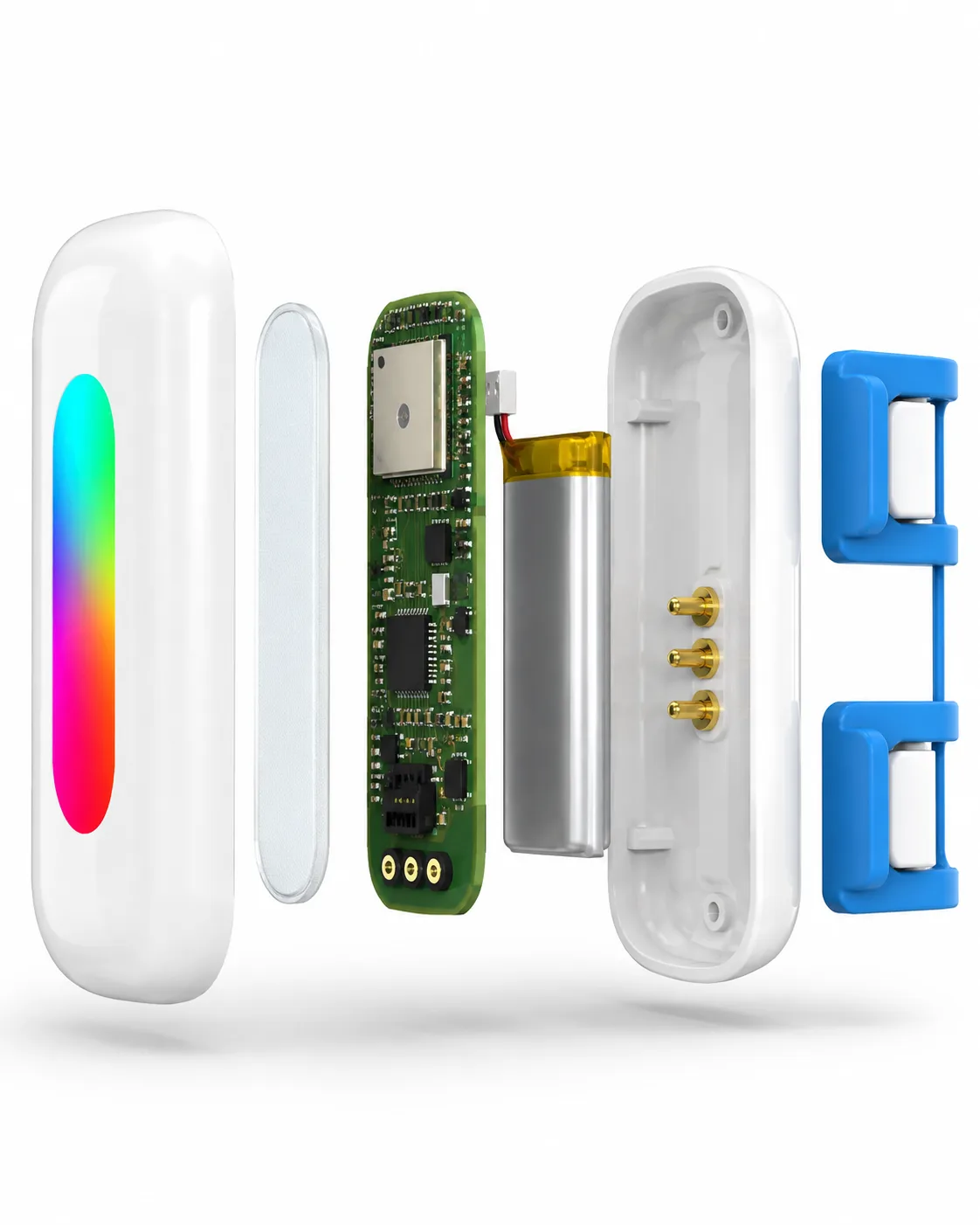
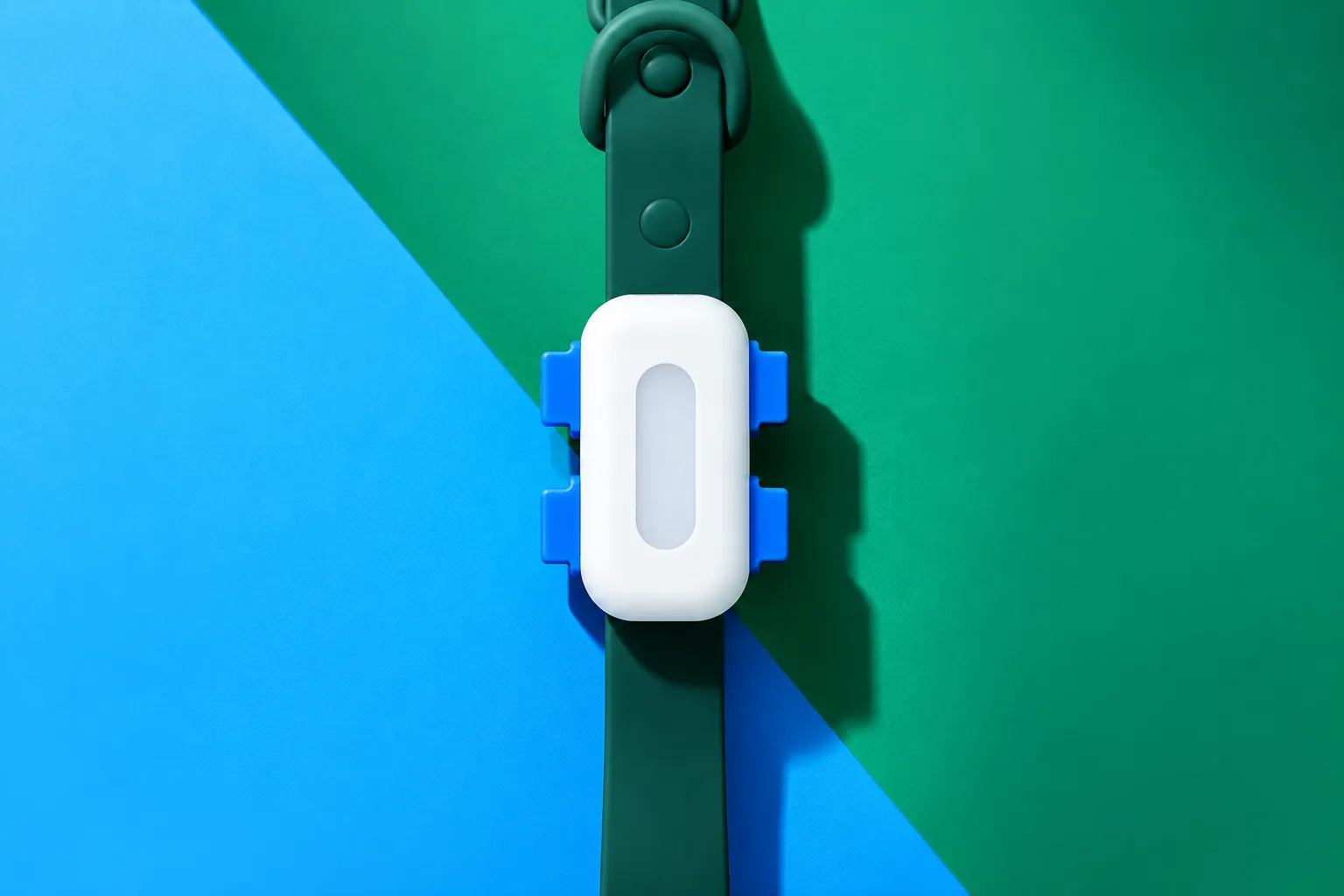
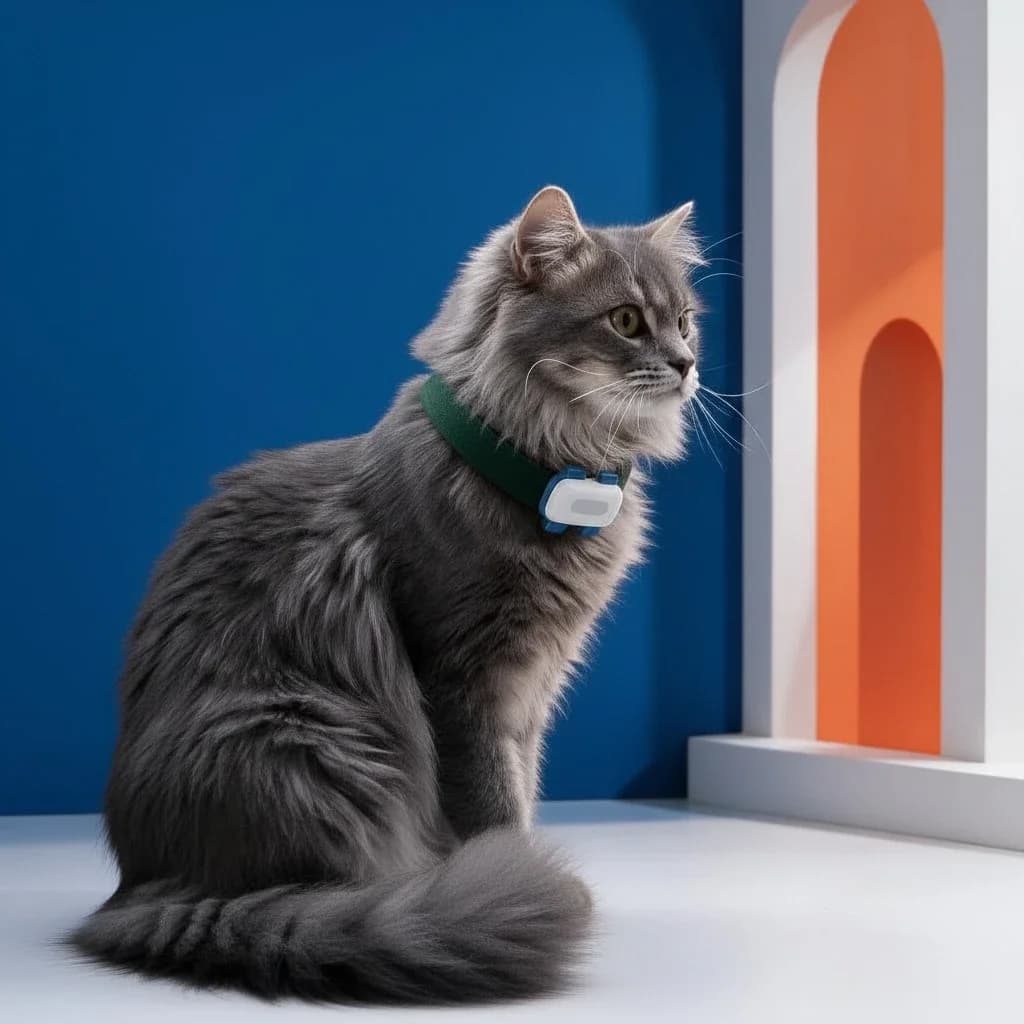
The weight of the device is the first criterion. The right benchmark is not an absolute weight, but the ratio to the animal: a device that is acceptable on a dog can bother a cat. The Bixar Phoenix tracker weighs 32 g and clips onto the supplied collar, available in three sizes.
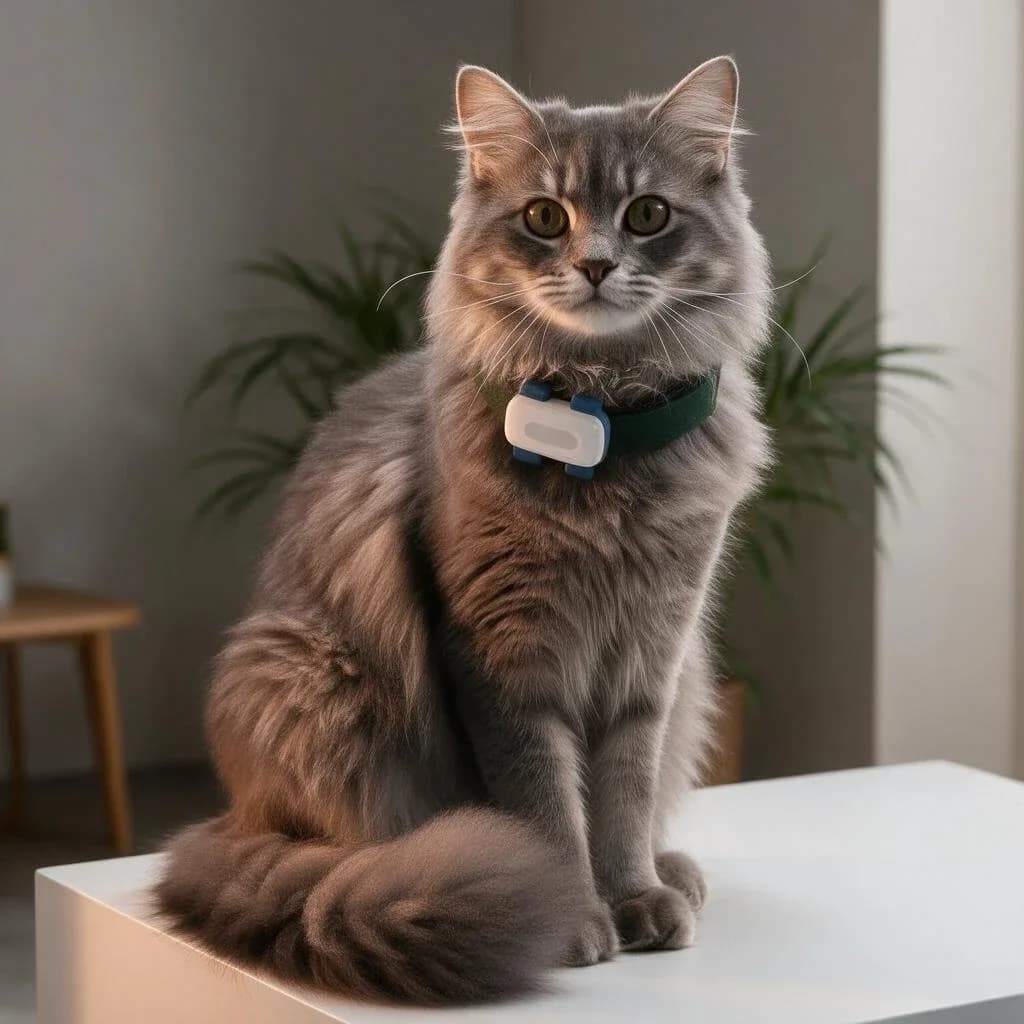
Think about the collar fastening too. A cat can get caught on a branch or a fence: choose a collar that comes undone rather than one that stays stuck. The Bixar collar supplied with the tracker is described as a soft collar with a clip buckle; its product sheet doesn’t specify a safety release, so write to us if this matters for your cat.
Why 4G rather than Bluetooth
A Bluetooth tracker doesn’t know its position: it relies on a phone nearby. If your cat is several streets from home, it is no use. A 4G GPS works out its position and sends it to you over the mobile network, wherever you are. Our guide AirTag or GPS for dogs details the differences, which also apply to a cat.
Finding a hidden cat
Even with an accurate position, a cat can be in a garden, under a car or in a garage. Once you are on the spot, making the tracker ring remotely or switching on its light helps you find it. The Bixar Phoenix offers remote ringing and LED from the Bixar app.
Connectivity and its cost
As with a dog, 4G has a cost: a subscription, connectivity included for a period, or with no annual renewal. Our guide Dog GPS without a subscription explains how to compare these offers, and the reasoning is the same for a cat.
Your checklist
My checklist before choosing a GPS for my cat
0/5
To complement the GPS, the Bixar medallion lets the person who finds your cat reach you with a single scan, without an app. The GPS helps you find your cat; the medallion helps the person who found it find you.
As for the collar, choosing your dog’s or cat’s collar explains how to measure the neck and choose the right size.
Prices and subscriptions of the main GPS trackers are compared in the dog and cat GPS comparison. To see the tracker on a cat and choose your edition, go to the cat GPS collar page.